WHAT IS MALARIA?
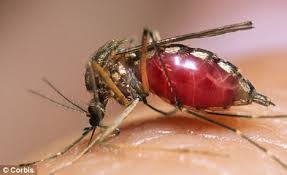
Malaria is an infectious disease brought upon by the bite of a female mosquito. It can cause fever, exhaustion, vomiting and headaches. Without medication within the first 24 hours it can progress to yellow skin, seizures and death. Even with medication some types can permanently affect the brain and its ability to learn.
THE GRIZZLY FACTS:
The World Health Organization estimates that in 2019 there were 229 million cases of malaria and more than 409,000 people died in 2019 alone. The Guinness Book of World Records states that the mosquito is the most dangerous creature on earth.
The majority of cases (67%) and deaths occur in children under 5 years old.
Most of the cases of malaria are in the countries around the equator. This includes South America, parts of Asia and Africa. 85-90% of the malaria deaths occur in Africa. Areas that have large quantities of rain, high temperatures, high humidity, and have stagnant water, breed these malaria carrying mosquitos. Other drier areas have outbreaks of malaria when rainfall increases. In Asia, malaria is more common in the rural areas near forests. In Africa malaria is found in both cities and rural towns but the risk is lower in larger cities.

WHAT IS ZIKA?
The Zika disease is carried by a different mosquito than the mosquitos that carry malaria. The symptoms include fever, rash, joint pain, and conjunctivitis (red eyes). Individuals rarely die of Zika, however, getting the Zika virus during pregnancy can cause a serious birth defect called microcephaly (an abnormally small head), as well as other severe brain defects that can kill.
In May 2015, the first confirmed Zika virus infection was in Brazil. On February 1, 2016 the World Healthy Organization declared the Zika virus a public health emergency of international concern. Zika has since been found to be in the same countries as malaria (Africa, Asia and the South Pacific). There is currently no vaccine or direct medication for Zika.
 Mosquito Ministry